The different forms of aromatherapy practice and users' experiences of them continue to be researched. Today, aromatherapy research covers a wide range of topics, including the properties of the oil used, the method of application, the scent experience, massage and users' subjective assessments.

Although the use of distilled plant materials dates back to medieval Persia, the term “aromatherapy” was first used in the early 20th century by René-Maurice Gattefossé. In his 1937 book Aromathérapie, Gattefossé discussed the various uses of aromatic materials obtained from plant sources.
The different forms of aromatherapy practice and users' experiences of them continue to be researched. Today, aromatherapy research covers a wide range of topics, including the properties of the oil used, the method of application, the scent experience, massage and users' subjective assessments.
There is an important distinction to make here, however: the fact that a practice is the subject of scientific research does not mean that a particular essential oil or aromatherapy application prevents or treats any disease. Scientific studies evaluate results obtained under specific conditions, with specific participants and using specific research methods.
What Is Aromatherapy Massage?
In its most basic sense, aromatherapy refers to an approach that brings together essential oils obtained from aromatic plants with various uses and care routines. Aromatherapy massage, in turn, refers to an approach in which essential oils accompany a massage application within the framework of appropriate conditions of use.
How Are Essential Oils Obtained?
Essential oils are obtained from different parts of aromatic plants using a variety of methods. Distillation is one of the most widely used methods for obtaining essential oils. For oils derived from certain citrus peels, mechanical methods may also be used.
At this point, it is important to distinguish between an essential oil and a plant extract. Different extraction techniques and solvents may be used in producing extracts; for this reason, not every botanical extract should be placed in the same product group as essential oils or assumed to have been obtained by the same production method.
The properties of essential oils, their concentrations and the ways they are used can differ. Products should therefore be assessed on the basis of their own ingredients, intended purpose and the conditions of use specified by the manufacturer.
Scientific Research on Aromatherapy Massage
Practices referred to in the scientific literature as “aromatherapy massage” are examined across different research designs and participant groups. For example, a small-scale randomized controlled trial published in 2022 investigated a specific massage protocol accompanied by aromatic ingredients, while systematic reviews and meta-analyses published in 2016 evaluated the results of different studies together.
The forms of application, aromatic materials, durations, participant characteristics and assessment methods used in these publications differ from one another. Research findings should therefore not be generalized directly to a particular essential oil, product or daily routine. These studies are examples of how different practices accompanied by aromatic ingredients are addressed in scientific research.
Why Does User Experience Matter in Aromatherapy Massage?
Experiences of care and massage practices can vary from person to person. Since scent perception is also subjective, research on aromatherapy massage takes into account not only the aromatic ingredients used but also variables such as the method of application, duration, setting and participants' assessments.
Users' positive assessments of a practice may reflect personal experience. That said, user satisfaction or a positive personal experience should not be taken as an indicator of medical efficacy.
When essential oils and aromatic ingredients are considered as part of daily care routines, the product's instructions for use, intended purpose and relevant warnings should be taken into account. Product information and usage descriptions for essential oils and aromatic care products are available at arotolia.com.
Disclaimer: This content has been prepared for general informational purposes. It does not constitute a recommendation for the diagnosis, prevention or treatment of any disease in relation to any product or use of essential oils.
SOURCES
- The Effectiveness of Aromatherapy in Reducing Pain: A Systematic Review and Meta-Analysis
- B.-C. Shin and M. S. Lee, “Effects of aromatherapy acupressure on hemiplegic shoulder pain and motor power in stroke patients: a pilot study,” Journal of Alternative and Complementary Medicine, vol. 13, no. 2, pp. 247–251, 2007.
- Use of aromatherapy as a complementary treatment for chronic pain- Alternative Therapies
Shop The Story
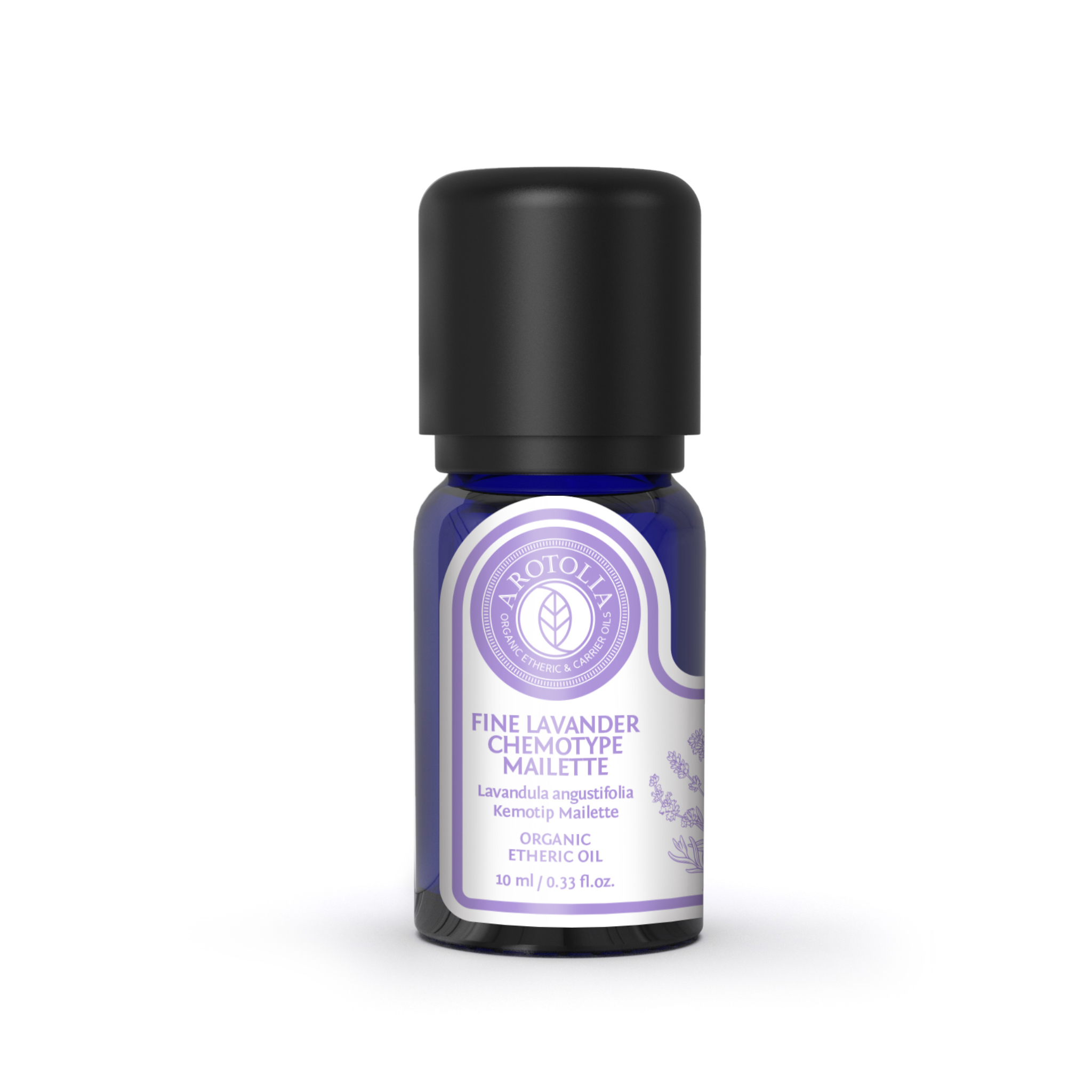
Lavender Mailette Essential Oil 10 ml - FINE LAVANDER CHEMOTYPE MAILETTE
Recent Posts

16 October 2026
Can Virtual Reality and Aromatherapy Come Together?

29 September 2026
What Do Essential Oils Smell Like? Discover Their Scent Profiles
