When you browse an essential oil online, one of the first questions that comes to mind is probably this: What does it smell like? A photo can show a product's color, packaging or botanical source, but a scent cannot be experienced through a screen. And a few words such as “floral”, “fresh” or “citrusy” may not always be enough to bring its character to mind. Essential oil scents differ widely: some give a bright citrus impression at first, while others lean green, herbaceous, woody, spicy or intensely floral.

When you browse an essential oil online, one of the first questions that comes to mind is probably this: What does it smell like?
A photo can show a product's color, packaging or botanical source. But a scent cannot be experienced through a screen. What's more, a few words such as “floral”, “fresh” or “citrusy” may not always be enough to bring the character of a scent to mind.
That's because essential oil scents can have very different characters. Some give a bright, distinct citrus impression at first, while others stand out with green, herbaceous, woody, spicy or intensely floral notes.
For this reason, getting to know essential oils not only by name but through their scent profiles can make choosing easier. So what do essential oils smell like, and which scent family might be closest to you?
What Does “Scent Profile” Mean for Essential Oils?
A single word is often not enough to describe a scent. An essential oil, for example, is not simply “floral”. Alongside its floral character, sweet, green, herbaceous or slightly woody nuances may also be noticed. A scent profile is the set of sensory descriptors used to convey the overall character of an aroma.
When essential oils are described, you will often come across terms such as:
- Citrus
- Floral
- Green
- Herbaceous
- Woody
- Earthy
- Spicy
- Resinous
- Sweet
- Sharp
- Fresh
- Fruity
These terms do not definitively indicate how you will perceive a scent. They simply help bring the character of the scent to mind more easily. It is also worth remembering that scent perception is personal. The same essential oil scent may be described in different words by two different people.
What Do Citrus Essential Oils Smell Like?
Scents in the citrus family are generally easy to recognize by their bright, distinct profiles reminiscent of fruit peel. Although different citrus varieties such as orange, mandarin, bergamot and grapefruit are grouped in the same family, their scents are not identical.
Bergamot Essential Oil
Bergamot essential oil has a character that is immediately reminiscent of citrus. Alongside this, slightly green, fresh and subtly bitter nuances may also be noticed. It is one of the aromas likely to appeal to those looking for a more layered citrus profile than the classic scent of orange.
Scent profile: Citrus, green, slightly bitter, fresh
Sweet Orange Essential Oil
The scent of sweet orange can carry an aromatic character close to freshly peeled orange zest. Compared with bergamot, it offers a softer, sweeter and more direct citrus impression.
Scent profile: Sweet, fruity, citrus, bright
Grapefruit Essential Oil
In the scent of grapefruit, a distinctive, slightly tart nuance can be felt alongside the citrus character. It may therefore be perceived as having a sharper, drier citrus profile than orange.
Scent profile: Citrus, tart, fresh, slightly sharp
Red Mandarin Essential Oil
Mandarin has a profile that can be perceived as sweeter and softer than some other citrus scents. Its fruity character is pronounced.
Scent profile: Sweet, fruity, soft citrus
What Do Floral Essential Oils Smell Like?
It can be misleading to think of a single aroma when floral scents are mentioned. Some floral scents are light and herbaceous, while others are quite intense, sweet or exotic in character.
Lavender Essential Oil
Lavender essential oil can have a profile too layered to be described simply as a “flower scent”. Herbaceous, green and slightly sweet nuances may accompany its floral notes. The variety of lavender and the botanical characteristics of the product can also create differences in the character of the scent. Different lavender essential oils should therefore not be expected to smell exactly alike.
Scent profile: Floral, herbaceous, green, slightly sweet
Ylang Ylang Essential Oil
Ylang ylang has a scent profile likely to attract those who enjoy more intense and pronounced floral aromas. It stands out with a sweet, exotic and full-bodied floral character.
Scent profile: Intensely floral, sweet, exotic
Lemony Scents
A scent that evokes lemon does not necessarily come from lemon or any other citrus fruit. Some plants naturally have distinctly lemony scent profiles.
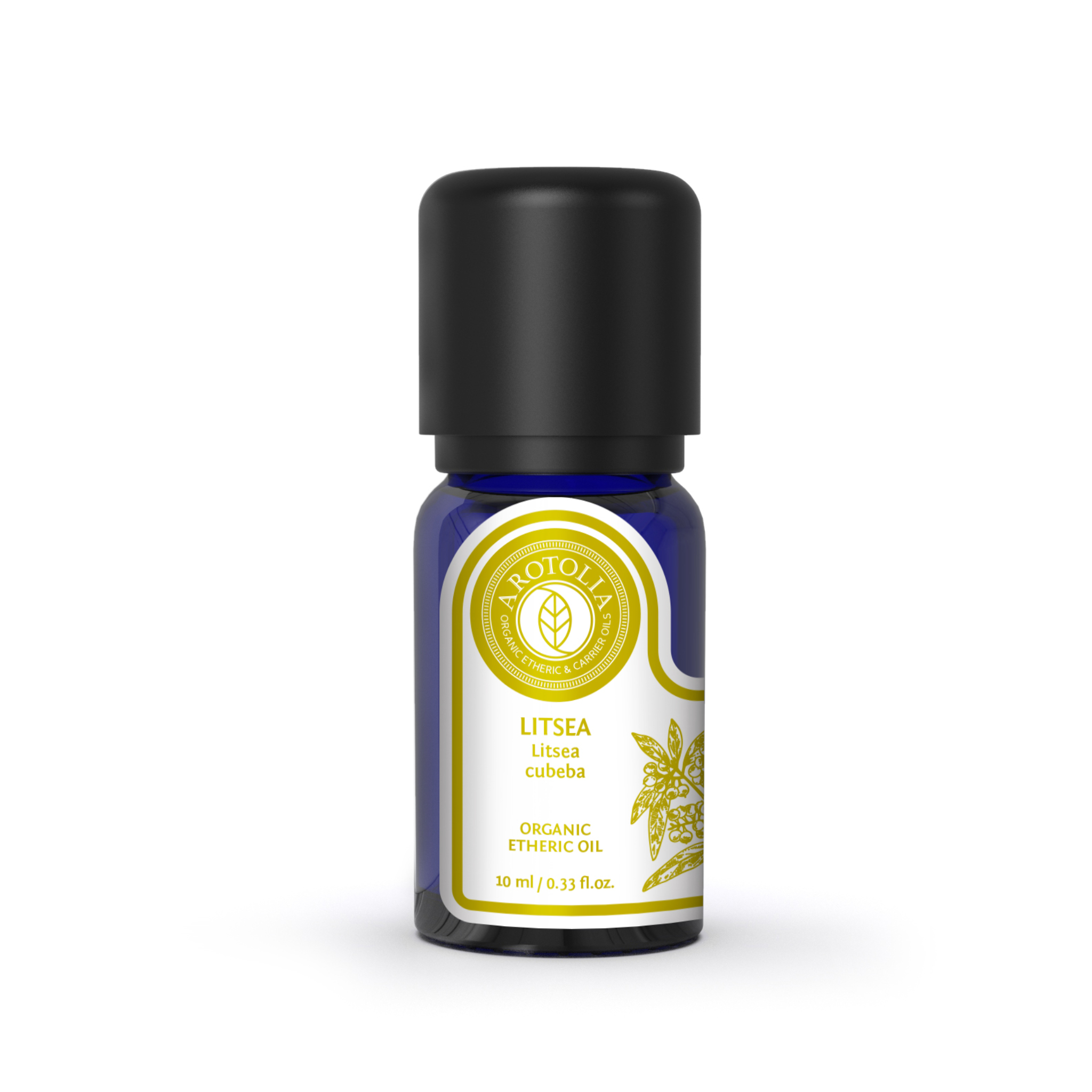
Litsea Essential Oil
Litsea has a pronounced aromatic character that may bring lemon to mind on first sniff. However, it can carry green, sharp nuances that differ from the classic scent of lemon peel. It may therefore offer an intriguing scent experience for those who enjoy citrus-like scents but also want to explore different botanical characters.
Scent profile: Lemony, fresh, green, pronounced
Green and Herbaceous Scents
The scents of some essential oils evoke fresh leaves and aromatic herbs rather than flowers or fruit. Botanical profiles such as basil, rosemary and clary sage can be considered in this group.
Rosemary Essential Oil
Rosemary's aromatic character is quite pronounced. Alongside herbaceous and green notes reminiscent of fresh rosemary leaves, sharper nuances may also be perceived.
Scent profile: Herbaceous, green, aromatic, sharp
Basil Essential Oil
Basil essential oil has a characteristic scent reminiscent of fresh plant leaves. Slightly spicy nuances may be noticed alongside its green and herbaceous notes.
Scent profile: Green, herbaceous, slightly spicy
Clary Sage Essential Oil
Clary sage has a botanical scent profile that is far from one-dimensional. Its herbaceous character may be accompanied by slightly sweet, aromatic nuances that different people describe in different ways.
Scent profile: Herbaceous, aromatic, slightly sweet
Fresh and Pronounced Scents
In some essential oils, one of the first things noticed on smelling is a pronounced, sharp aromatic character.
Peppermint Essential Oil
The scent of peppermint is very easy to recognize. It has a strong, sharp aromatic profile with a cool character, reminiscent of fresh mint leaves. The word “cool” here is used to describe the sensory character of the scent.
Scent profile: Sharp, minty, fresh, cool in character
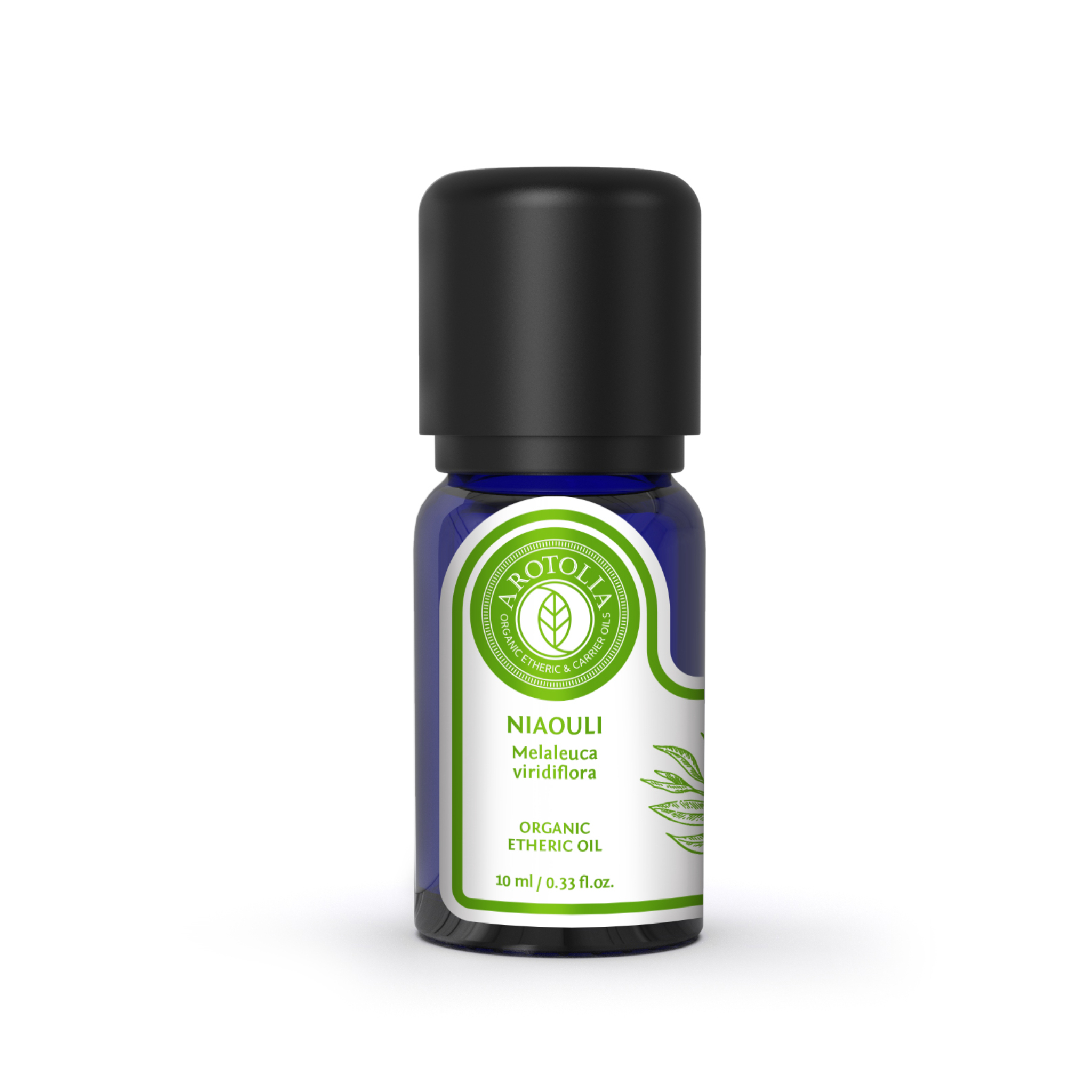
Niaouli Essential Oil
Niaouli stands out with its green, pronounced aromatic structure. Some people may describe its scent with nuances reminiscent of eucalyptus, but it has a character of its own.
Scent profile: Fresh, green, pronounced, aromatic
Tea Tree Essential Oil
The scent of tea tree is quite different from citrus or floral oils. It has a character that can be described as pronounced, green, botanical and slightly earthy.
Scent profile: Green, botanical, earthy, sharp
Why Might the Same Essential Oil Smell Different from What You Expect?
Even if the name of an essential oil sounds familiar, you may encounter a scent different from what you expected when you open the bottle. One of the main reasons is that most of the scents we come across in daily life do not exactly reflect the natural aromatic profile of a single plant.
When we say “lavender scent”, for example, we may think of the aroma of a cosmetic product, a room fragrance or another perfumed item. The scent of a pure essential oil, on the other hand, may be perceived as more botanical and more layered. In addition, variables such as the plant's botanical species, the region where it was grown, harvesting conditions and the extraction process can create differences in the aromatic profile. It therefore makes more sense to evaluate essential oils on their own terms rather than comparing them only with perfumed products you have smelled before.
Get to Know Your Scent Preferences Before Choosing an Essential Oil
There is no single answer for everyone to the question “Which essential oil smells the best?”, because the scent experience is personal.
One of the enjoyable ways to explore the world of essential oils is to get to know scents by their families. From citrus to floral notes, and from herbaceous aromas to sharper botanical profiles, every essential oil carries a different olfactory character.
When choosing your next essential oil, you can look not only at the name of the plant but also at its scent family and scent profile. That way, even if you cannot experience the scent through a screen, you can get a clearer idea of the aroma you will encounter. On the arotolia.com website, you can explore different essential oils and discover the aromatic profiles closest to your own scent preferences.
Shop The Story
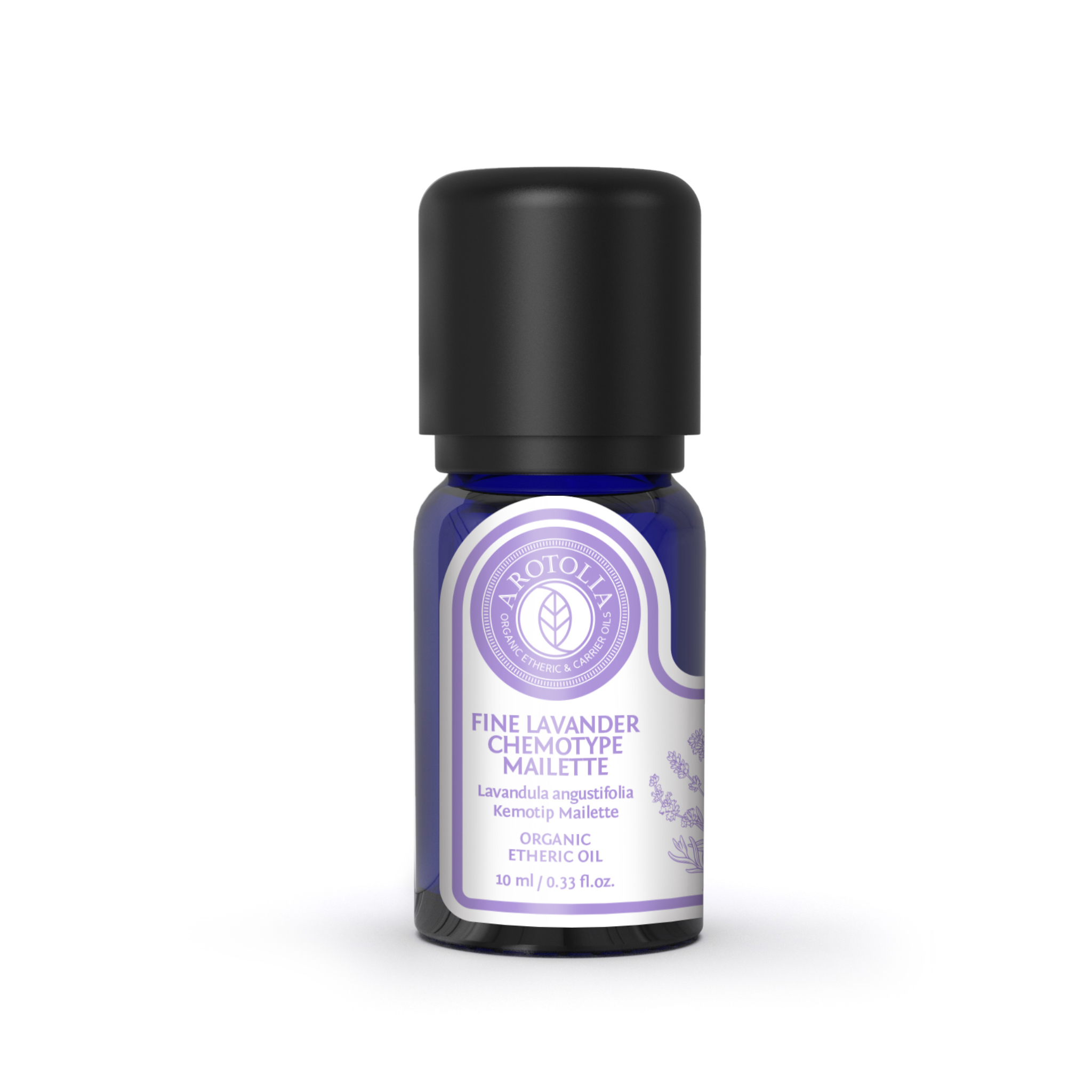
Lavender Mailette Essential Oil 10 ml - FINE LAVANDER CHEMOTYPE MAILETTE
Recent Posts

16 October 2026
Can Virtual Reality and Aromatherapy Come Together?

15 September 2026
A Look at a Scientific Study on Bergamot Essential Oil
