How is the relationship between aromatherapy and stress examined in scientific research? We look at the method and findings of a study conducted with bergamot essential oil, without making any definitive health claims.

The place of scents in our daily lives is not limited to creating a pleasant atmosphere. Sometimes a particular scent can remind us of a memory; at other times it can completely change the mood of the space we are in. Essential oils obtained from plants are also an important part of this olfactory experience.
So how are aromatherapy, the scent experience and essential oils addressed in scientific research?
One of the studies seeking to answer this question was conducted in 2013 with primary school teachers in Taiwan. The research evaluated various measurement data obtained from participants as part of an application in which bergamot essential oil was used. When evaluating research of this kind, however, there is an important point to keep in mind: the results of a single study do not mean that aromatherapy treats, prevents or eliminates any health condition.
So, rather than focusing on what the study says, let's look at how it was conducted and how the resulting data should be evaluated.
How Was the Study on Bergamot and the Scent Experience Designed?
The aromatherapy study in question was carried out in Taiwan with a total of 29 primary school teachers from different age and body mass index groups.
The researchers planned the study around two different conditions. One application used natural, plant-derived bergamot essential oil, while the other used a synthetic fragrance prepared to resemble the scent of bergamot.
The fact that participants did not know which application contained natural bergamot was intended to allow a more controlled comparison between the two conditions. A set interval was also left between the applications.
This design made it possible to compare, within the research conditions, the application using natural bergamot with the application using a bergamot-like synthetic fragrance.
What Data Were Examined in the Study?
The study tracked certain measurement parameters defined within the scope of the research. One of these was HRV, or heart rate variability.
HRV refers to the variability in the time intervals between heartbeats and is one of the measurement parameters used in scientific research. The researchers also recorded data such as blood pressure before and after the application. Participants' workloads and certain individual characteristics were also included in the assessment.
This aspect of the study was notable in that it evaluated the scent applications not only through participants' comments but also with the measurement tools defined within the scope of the research.
What Was Observed in the Bergamot Essential Oil Condition?
The researchers reported statistical differences between some of the measurement data obtained from the two application conditions. However, these findings need to be evaluated within the framework of the study's limited number of participants and its experimental conditions.
At the same time, these results should not be taken out of context.
The study was conducted with only 29 participants, in a specific occupational group and under specific experimental conditions. Moreover, when the subgroups were examined, the results were found not to be the same across every participant group.
Consequently, the findings reported in this study cannot be used to attribute any health effect, therapeutic property or definitive outcome to bergamot essential oil or to aromatherapy practices. The study can be seen more as one that presents data obtained under a specific experimental condition and lays the groundwork for further research on the topic.
What Should We Look for When Reading Aromatherapy Research?
When we come across a study on aromatherapy practices, looking only at the study's results section is not enough. The number of participants, how the study was designed, which essential oil was used and in what form, the duration of the application and which measurements were taken all matter in interpreting the results.
For instance, at the center of this study was not essential oils in general, but bergamot used under specific conditions. A research observation obtained with bergamot therefore cannot be transferred directly to lavender, orange, cedarwood or any other essential oil.
Similarly, the form of application in a research setting and an aromatherapy product used in daily life may not share the same conditions.
Evaluating scientific research within this framework allows information about aromatherapy to be read from a more realistic and balanced perspective.
What Place Do Essential Oils Have in Daily Life?
Because of their characteristic scents, essential oils can appear in personal care and home fragrance routines in a variety of ways. What matters here is to assess each product according to its own intended purpose and the instructions for use stated on the product.
The experience a scent creates in a person is highly individual. The same aroma may evoke certain associations in one person while creating an entirely different scent experience in another.
For this reason, when considering aromatherapy in daily life, approaching it through scent preferences, personal routines and the product's intended purpose, rather than expectations of definitive results, provides a more accurate framework.
Aromatherapy and Scientific Research
Studies on aromatherapy and scent offer various examples of how essential oils and the olfactory experience can be addressed in a research setting. The 2013 bergamot study is one of them. It represents just one of the scientific studies carried out on bergamot. Evaluating the findings together with studies conducted using different sample groups and research methods allows the topic to be viewed from a more holistic perspective.
This is precisely where the value of scientific research lies: each study raises new questions, is re-evaluated using different methods and, over time, contributes to the building of a broader body of knowledge.
A more balanced approach is to regard aromatherapy research not as definitive promises, but as parts of a scientific literature that continues to develop.
Disclaimer: This content has been prepared for general informational purposes. It does not contain medical advice or health claims regarding the diagnosis, treatment or prevention of any disease. Essential oils and aromatherapy products should be used in accordance with the directions for use and warnings stated on the product label.
Source
Liu, S.-H., Lin, T.-H. & Chang, K.-M. (2013). Evidence-Based Complementary and Alternative Medicine, 2013, 853809. DOI: 10.1155/2013/
Shop The Story
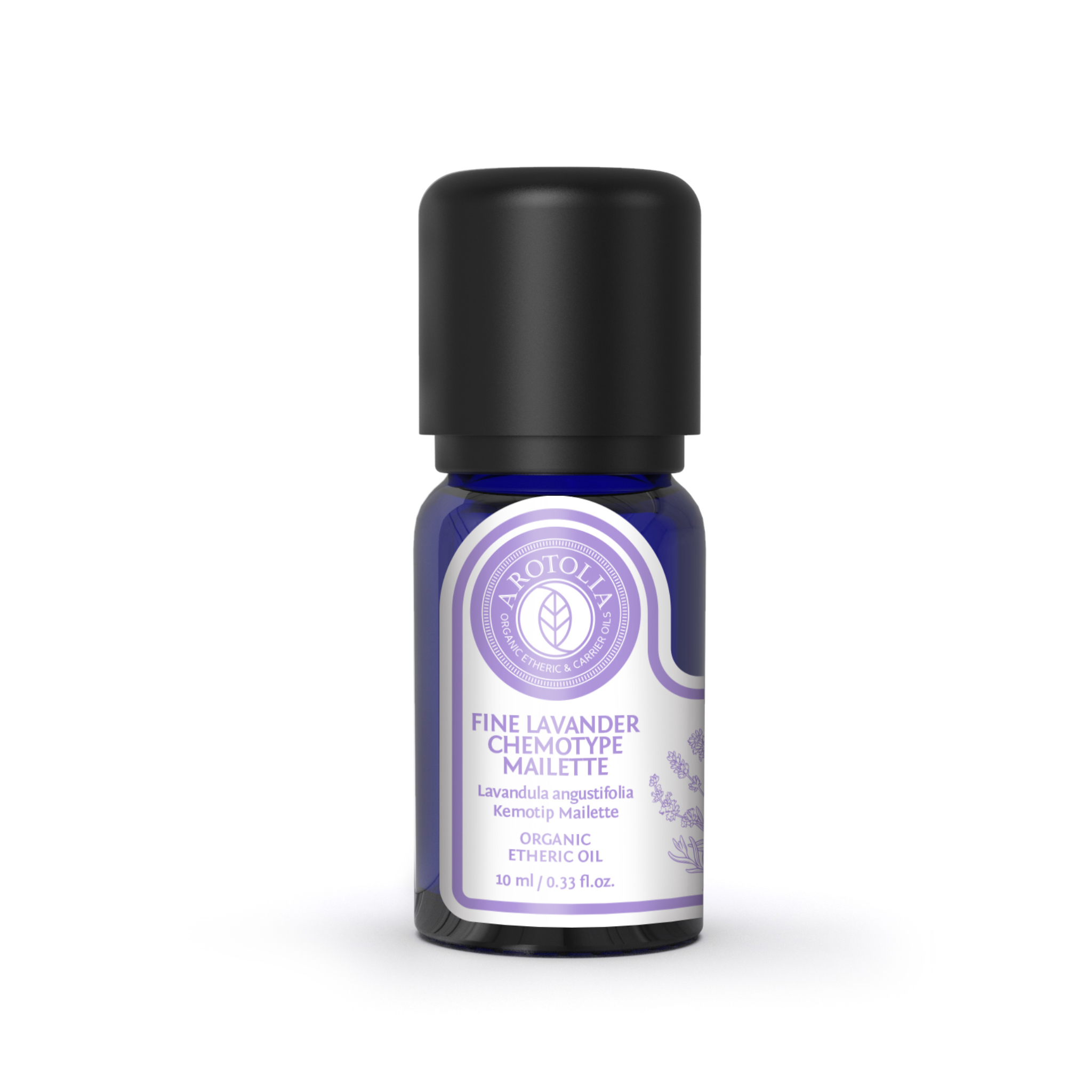
Lavender Mailette Essential Oil 10 ml - FINE LAVANDER CHEMOTYPE MAILETTE
Recent Posts

16 October 2026
Can Virtual Reality and Aromatherapy Come Together?

29 September 2026
What Do Essential Oils Smell Like? Discover Their Scent Profiles
